Pharmacovigilance (PV) is vital to public health. According to the Spanish Agency for Medicines and Health Products (AEMPS), it ensures that medicines remain safe not only during clinical trials—but even more so after they reach the market.
While Marketing Authorisation Holders (MAHs) are legally responsible for maintaining PV systems, their effectiveness depends heavily on collaboration, especially with healthcare professionals and patients.
These real-world contributors provide key insights into adverse drug reactions that may not appear in tightly controlled clinical trials.
Why Reporting Matters Beyond Clinical Trials
Clinical trials are designed with strict parameters:
- short duration
- homogenous patient groups
- controlled environments
But in real-world use, drugs encounter:
- longer treatment periods
- diverse populations
- complex drug interactions
As a result, new safety information may emerge post-marketing, when medicines are used by larger populations over extended periods.
That’s why spontaneous reporting systems are essential. In Spain, for example, the AEMPS created a public reporting platform to report suspected adverse reactions: 🌐 www.notificaram.es
Who’s Responsible for Pharmacovigilance? More People Than You Think.
To maintain a favorable benefit-risk balance, health authorities and MAHs must continuously collect and assess safety data from a variety of sources. Two of the most important pillars are:
Healthcare Professionals
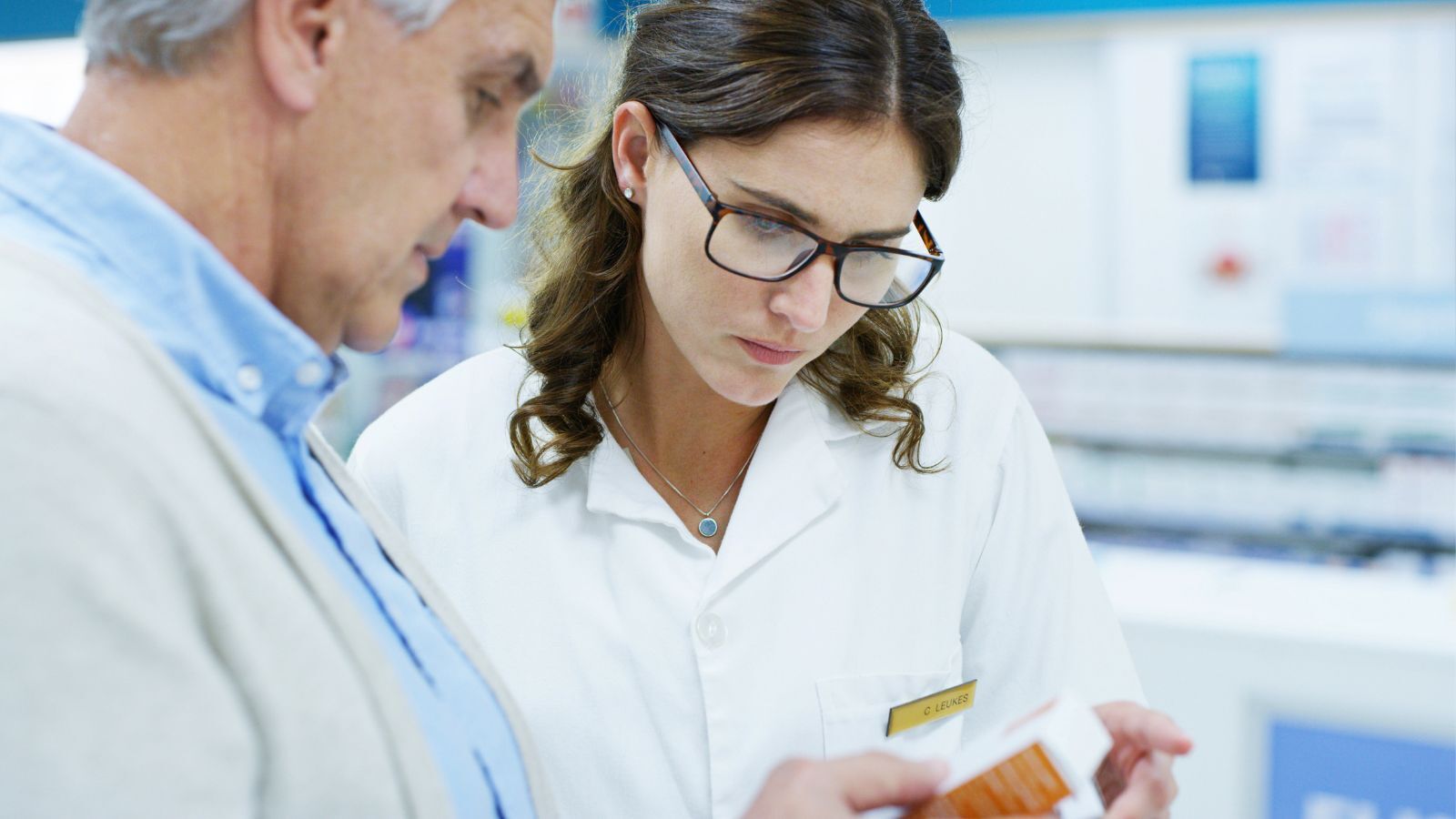
Physicians, pharmacists, nurses, and other professionals are on the front lines observing, evaluating and reporting suspected adverse reactions. They also contribute through scientific publications that highlight safety concerns, clinical trends, or unusual case reports.
Patients
As daily users of medicines, patients often detect and describe symptoms unexpected ir not described previously. Their voices are crucial for understanding how medicines behave in the real world.
What Happens with the Reported Information?
All reported adverse events are:
- evaluated by the MAH
- assessed for new safety signals
- included in Periodic Safety Update Reports (PSURs).
- submitted to regulatory authorities
and used to:
- reassess benefit-risk balance
- update product information
- trigger regulatory actions if needed
- in rare cases, withdraw authorisation
This process ensures continuous safety monitoring and long-term patient safety, even years after approval.
How QbD Group Supports Pharmacovigilance Systems
Pharmacovigilance isn’t just a regulatory box to check — it’s a strategic and ethical commitment to public health. At QbD Group, we help our clients build and maintain robust PV systems by providing:
- qualified PV staff and local QPPVs
- systems for collecting and managing adverse reaction reports
- infrastructure for compliant reporting such as dedicated email, hotline, SOPs
Whether you're setting up a new system or need to reinforce an existing one, we’re here to support your pharmacovigilance goals from end to end.
Let’s connect and build safer systems together.
About the Author

Senior Consultant Drug Safety at QbD Group
Almudena is a Senior Drug Safety Consultant at QbD Group, supporting pharmacovigilance operations and safety reporting for pharmaceutical clients.

Strengthen Your Pharmacovigilance System
QbD Group offers a full range of pharmacovigilance services to ensure your products meet compliance standards while safeguarding patient safety.
Read moreSubscribe to the latest updates in life science
Expert perspectives delivered to your inbox — pick your interests.
No spam, ever. Unsubscribe anytime.