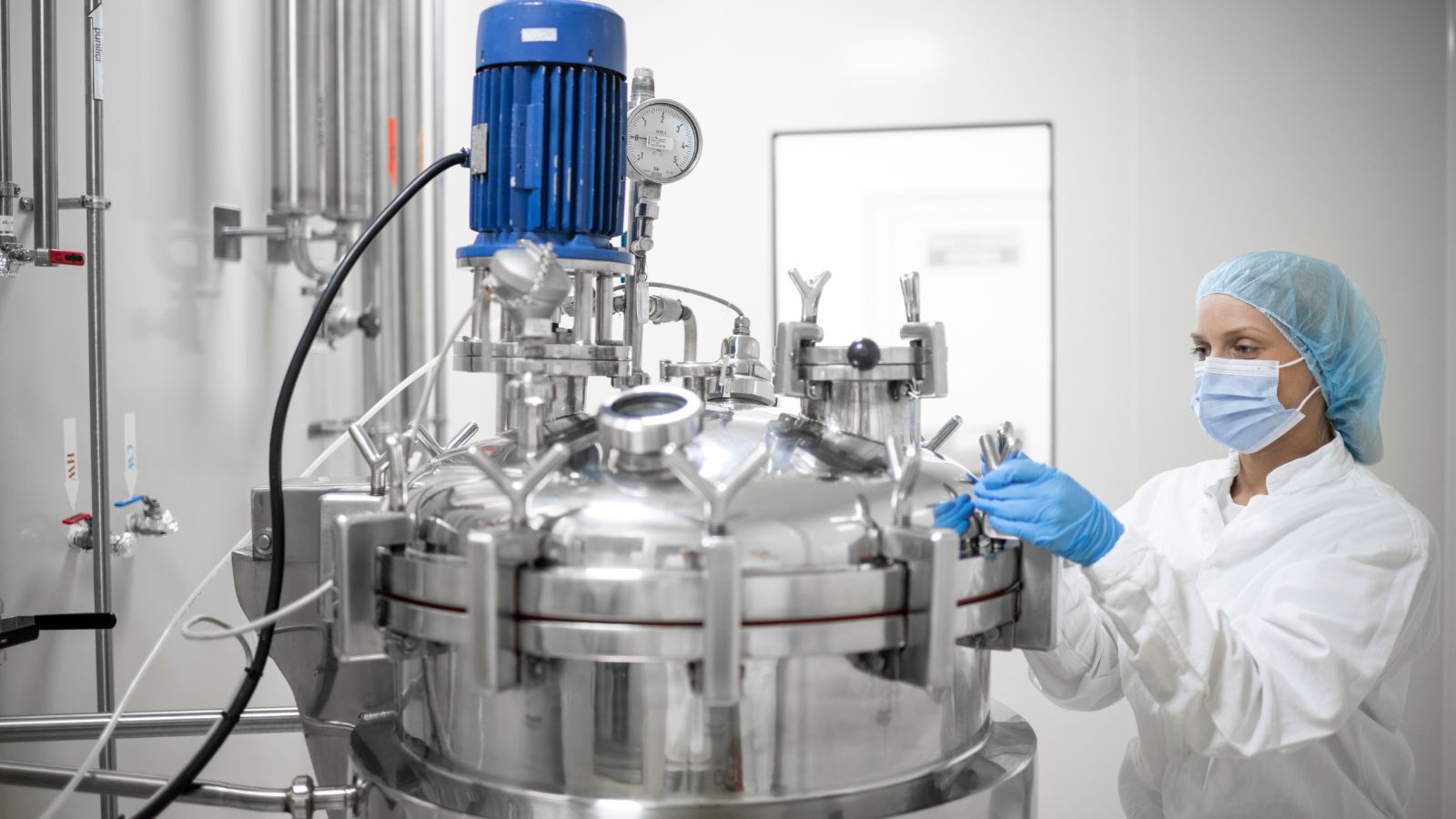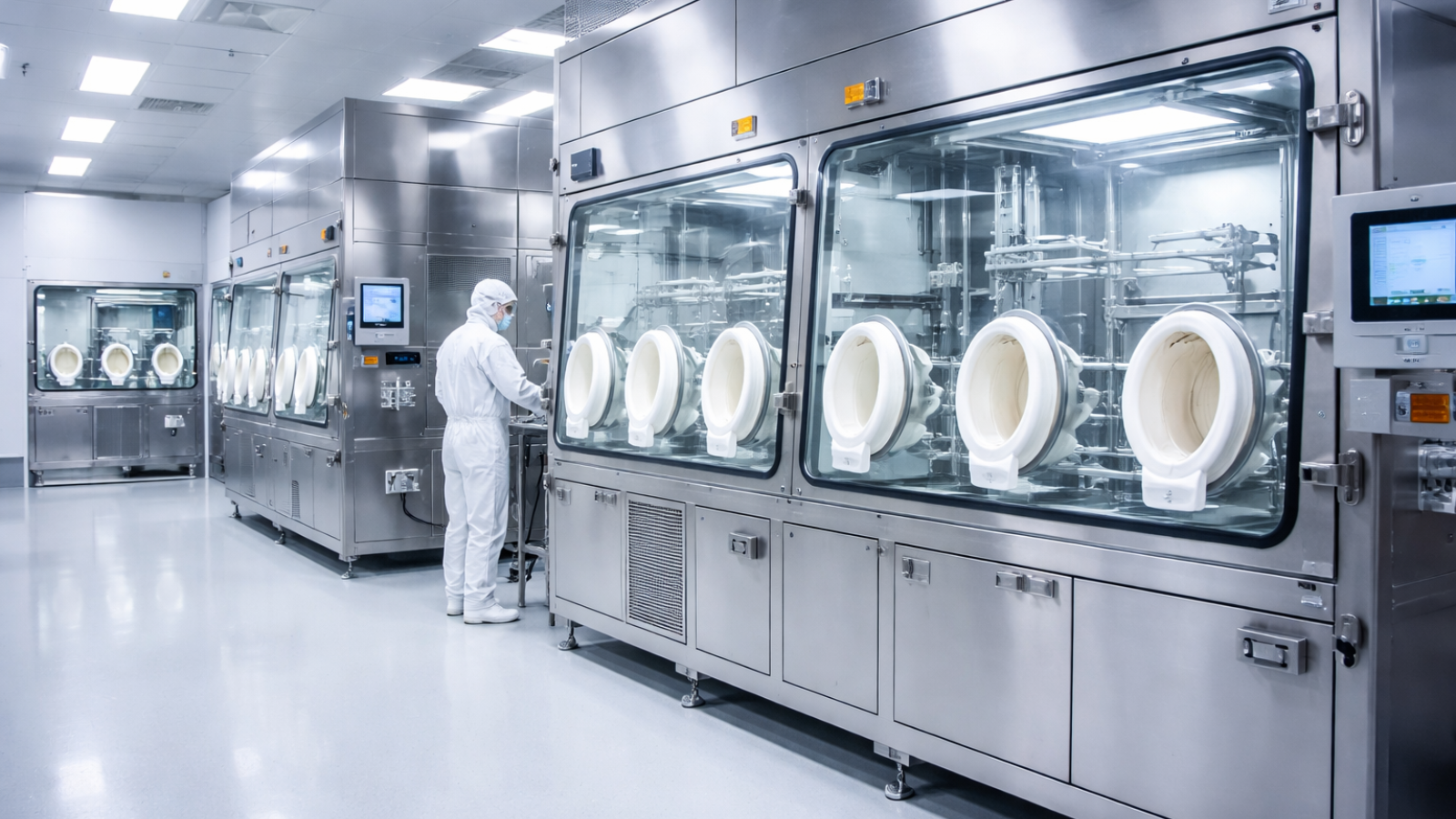
When Annex 1 addresses contamination control, attention often focuses on technology: cleanroom grades, airflow patterns, RABS, isolators, and monitoring systems. Yet the most persistent and variable source of contamination risk in sterile manufacturing and aseptic processing remains the same: people. Personnel influences aseptic processes continuously through movement, interventions, gowning discipline, and everyday behaviours that either preserve control or gradually weaken it.
EU GMP Annex 1 makes this clear by requiring that personnel be appropriately qualified and trained, with specific emphasis on protecting sterile products during operations. It also reinforces that only the minimum number of personnel should be present in clean areas and that training must cover cleanroom behaviour, contamination control, hygiene, and aseptic techniques.
These requirements reflect a core regulatory principle: contamination control does not depend only on systems and equipment; it depends on how consistently people apply them under real operating conditions.
In this blog post, we explore why personnel remains a critical contamination risk factor under Annex 1 and how structured approaches to gowning, training, and aseptic behaviour can strengthen contamination control and inspection readiness.
Why People Remain a Leading Inspection Theme
From an inspection perspective, personnel-related risk appears in two main ways:
- First, through direct observations, such as incorrect gowning technique, unnecessary interventions, poor glove disinfection practices, or inconsistent adherence to procedures.
- Second, through what those behaviors reveal about system maturity. When operators apply standards differently, it usually indicates gaps in training, supervision, or quality oversight.
FDA guidance on aseptic processing also highlights the need to maintain control in critical areas, which relies heavily on limiting human contamination sources and managing interventions and inspection findings repeatedly show that personnel practices remain one of the most significant contributors to aseptic failures.
What Annex 1 Expects in Practice
Annex 1 expects a structured, documented approach linking training, qualification, and ongoing verification to the criticality of activities in Grade A and B environments.
In practice, four areas receive particular regulatory attention:
1. Gowning
For Grade A and B areas, gowning must be taught, practiced, assessed, and periodically requalified as inspectors expect evidence that operators can gown consistently without contaminating garments or introducing fibers and particles.
2. Contamination-control focused training
Personnel are expected to understand why actions matter, not only how to follow procedures, so that when deviations occur, operators can respond in ways that protect aseptic conditions rather than improvising.
3. Effective aseptic behavior
Regulators expect behaviors that minimize airflow disruption, limit interventions, and keep manipulations within defined boundaries.
4. Ongoing verification
Annex 1 links qualification to continuous monitoring, including glove and gown monitoring, trend analysis, and defined requalification criteria (competence must be demonstrated and maintained over time).
Common Personnel Gaps That Lead to Annex 1 Observations
Across manufacturing sites, several recurring weaknesses drive personnel-related non-conformities, one common gap being the treatment of gowning qualification as a formality, with operators trained once and then assumed to remain qualified indefinitely.
Another frequent issue is the poor integration between training and operational data, as environmental monitoring trends, glove print results, and deviation patterns are often reviewed separately instead of being used to guide retraining and behavioral improvement.
Inconsistent supervision is also common; behavioral standards may exist on paper but are not reinforced consistently across shifts, especially under production pressure, and in parallel, some facilities rely heavily on procedures to compensate for frequent manual interventions, even when process redesign could reduce human involvement.
Annex 1 expects such risks to be addressed through barrier strategy, automation, or improved process design rather than through procedural controls alone.
Practical Actions That Support Inspection Readiness
For Annex 1 remediation, personnel controls should be managed as an evidence-based program rather than as a simple collection of training records, starting with a clear definition of what "qualified behaviour" means within the facility and translating Annex 1 principles into observable standards covering movement, interventions, glove management, and line-side practices.
This approach should be supported by a formal gowning qualification pathway for Grade B and Grade A access. This includes supervised practice, periodic reassessment, and clearly defined criteria for retraining when standards are not met.
Operational data should also be used systematically. Monitoring trends, aseptic process simulation outcomes, intervention frequency, and deviation patterns should feed directly into refresher training and targeted coaching, demonstrating that the quality system responds to real performance signals.
Finally, behavioural oversight should be embedded into daily operations through line-side observation, defined coaching roles, and documented behavioural audits, which are simple but effective tools for strengthening inspection readiness and align with Annex 1's expectation that contamination control is actively managed and continuously verified.
Key Takeaways
Annex 1 compliance is often framed as a facility or technology challenge, yet in practice people remain the decisive variable in sterile manufacturing operations. Facilities that build disciplined, evidence-based programs for gowning, training, and aseptic behavior reduce contamination risk, stabilize inspection outcomes, and protect their Contamination Control Strategy from becoming a paper exercise.
Strengthening Personnel Controls under Annex 1
Personnel practices remain one of the most important contamination control factors in sterile manufacturing. QbD Group supports pharmaceutical companies in strengthening gowning qualification, training programs, and aseptic behaviour monitoring to align with Annex 1 expectations.
Curious how we can support your Annex 1 compliance strategy? Contact our experts.
About the Author

Need Manufacturing Quality & Compliance support?
QbD Group helps pharma and biotech manufacturers strengthen manufacturing performance through integrated quality, compliance, and operational expertise, keeping sites efficient, compliant, and inspection-ready.
Explore our solutionsSubscribe to the latest updates in life science
Expert perspectives delivered to your inbox — pick your interests.
No spam, ever. Unsubscribe anytime.